
Do I need a Chinese account or Alipay to import from China?
Not if you use an assisted order. With Supplymo you do not need a 1688 account, a Chinese phone number, or Alipay — the China-side ordering is handled for you after you approve a quote.
Keeps this task when a local version exists.
GlobalEnglishDeutschlandDeutsch · Market homeItaliaItaliano · Market homeFranceFrançais · Market homeEspañaEspañol · Market homeSingaporeEnglish · Market home한국한국어 · Market homeIndonesiaBahasa Indonesia · Market homeViệt NamTiếng Việt · Market homeUnited StatesEnglish · Market homeUnited KingdomEnglish · Market homeCanadaEnglish · Market homeAustraliaEnglish · Market homeImporting from China can cut your product cost dramatically — or quietly erase your margin if you skip the checks. This guide walks through the practical steps, in the order a small ecommerce seller actually faces them, and points to a free tool for each decision. The goal stays the same throughout: decide before you pay, not after.
Before you pay
The goal stays the same throughout: decide before you pay, not after.
Step 1
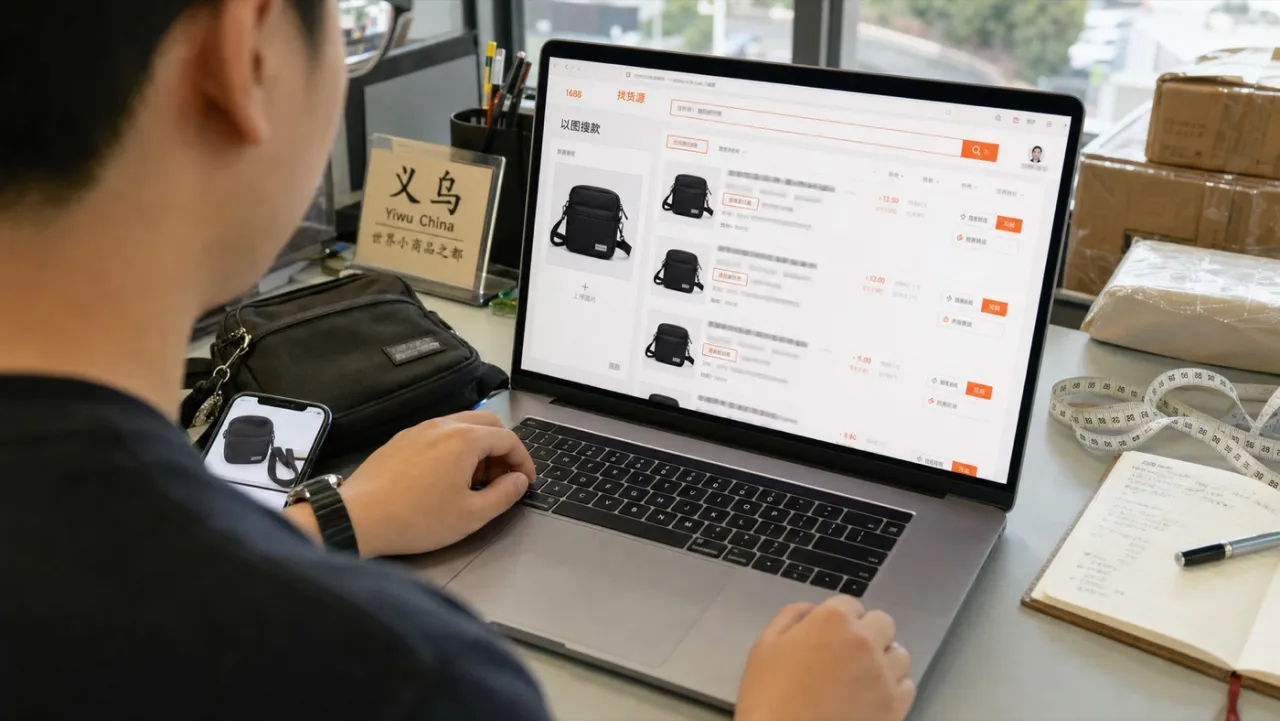
Start from whatever you have — a product image, a keyword, or a link from AliExpress, Amazon, or a competitor. The job is to find real Chinese suppliers (usually on 1688) that match it.
Step 2
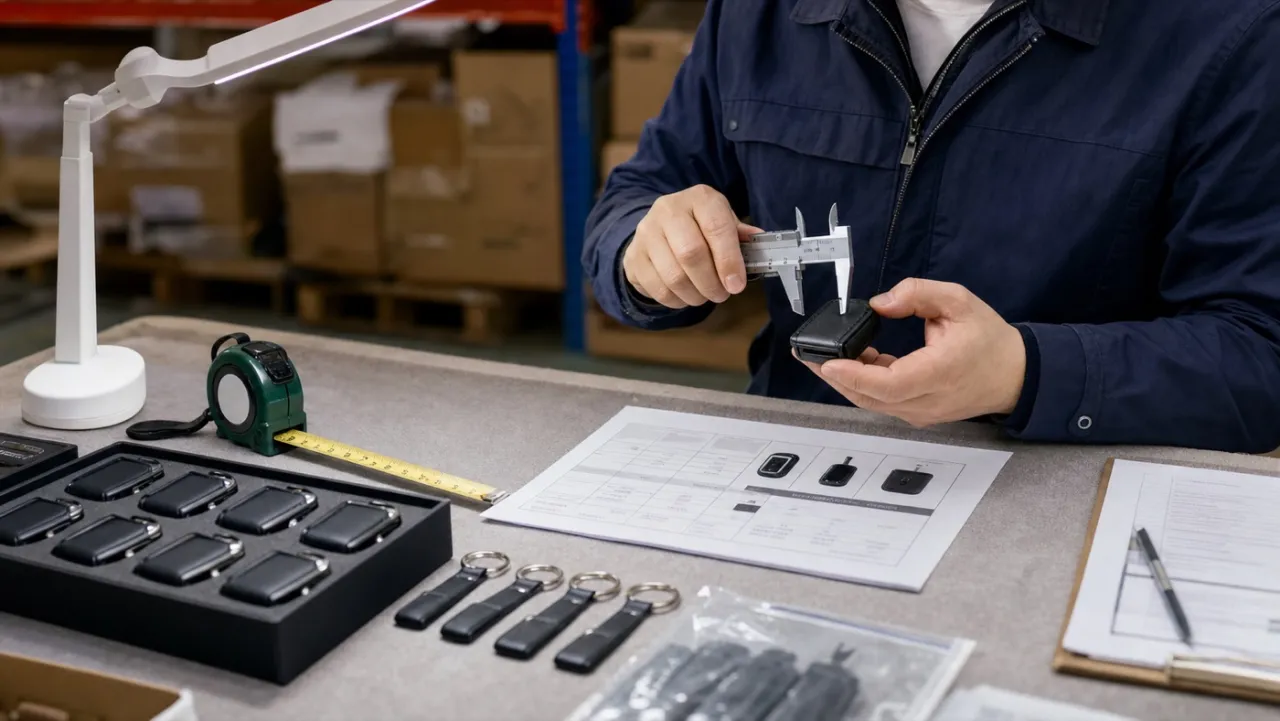
The riskiest moment in importing is wiring money to a supplier you cannot verify. Check listing and shop signals first.
Step 3
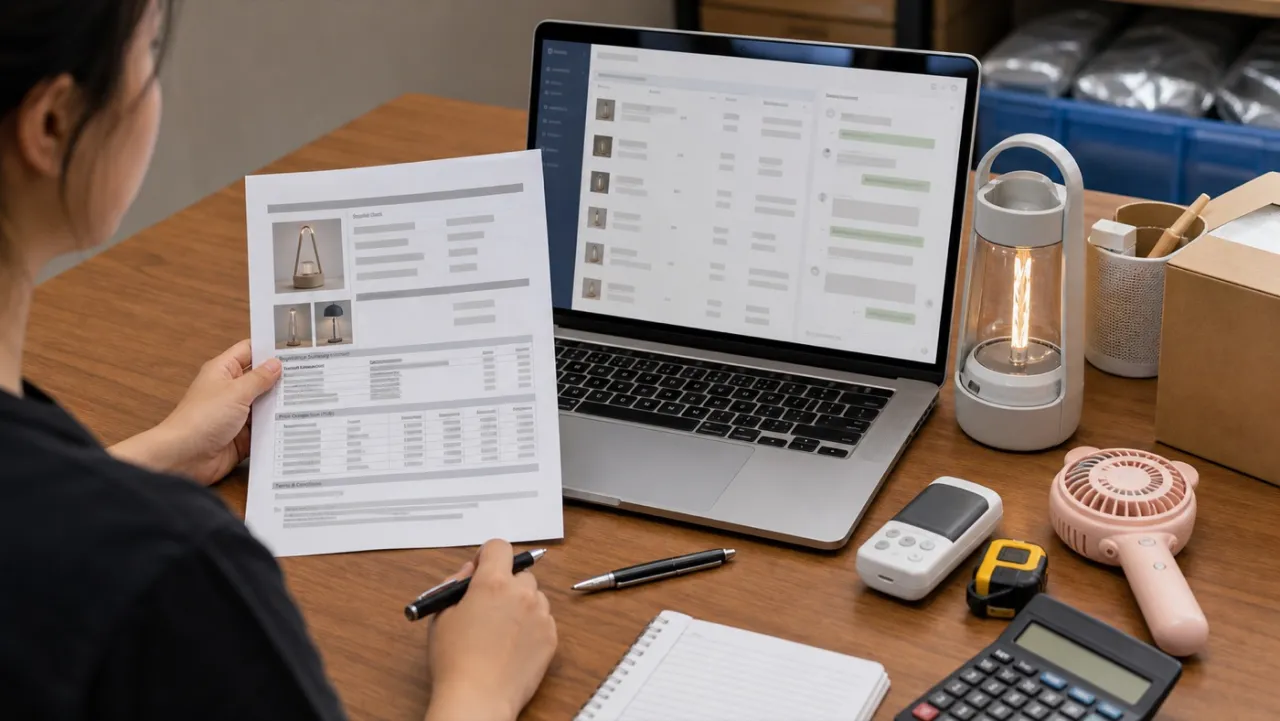
Unit price is only the start. Landed cost is what the product costs you delivered — and it is the number that decides whether the import is worth it.
Step 4
Your product's HS code sets the duty rate, and your destination country sets the tax and low-value threshold. Get these close before you rely on a cost estimate.
Step 5
Some products are risky to import, ship, or sell — and some are simply not allowed. Screening early avoids paying for goods that cannot move.
Step 6
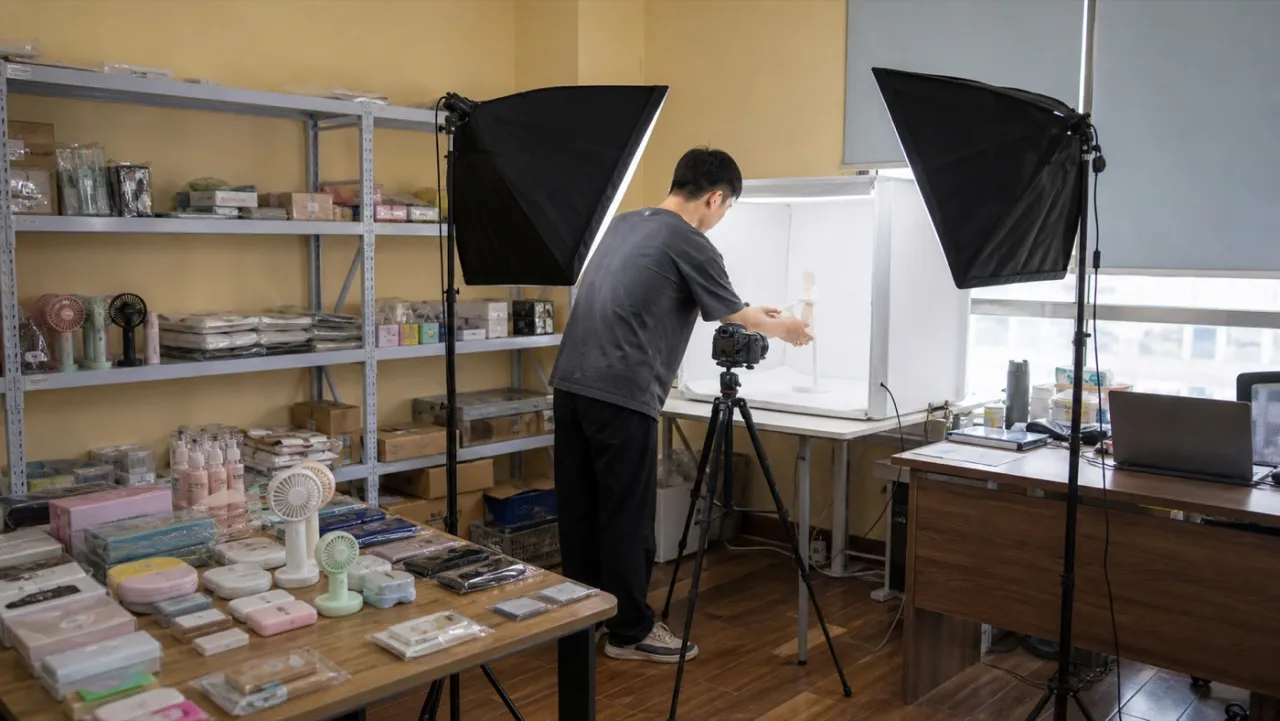
For a new supplier or a high MOQ, a sample is the cheapest insurance. Then place the order with evidence at each step.
Step 7
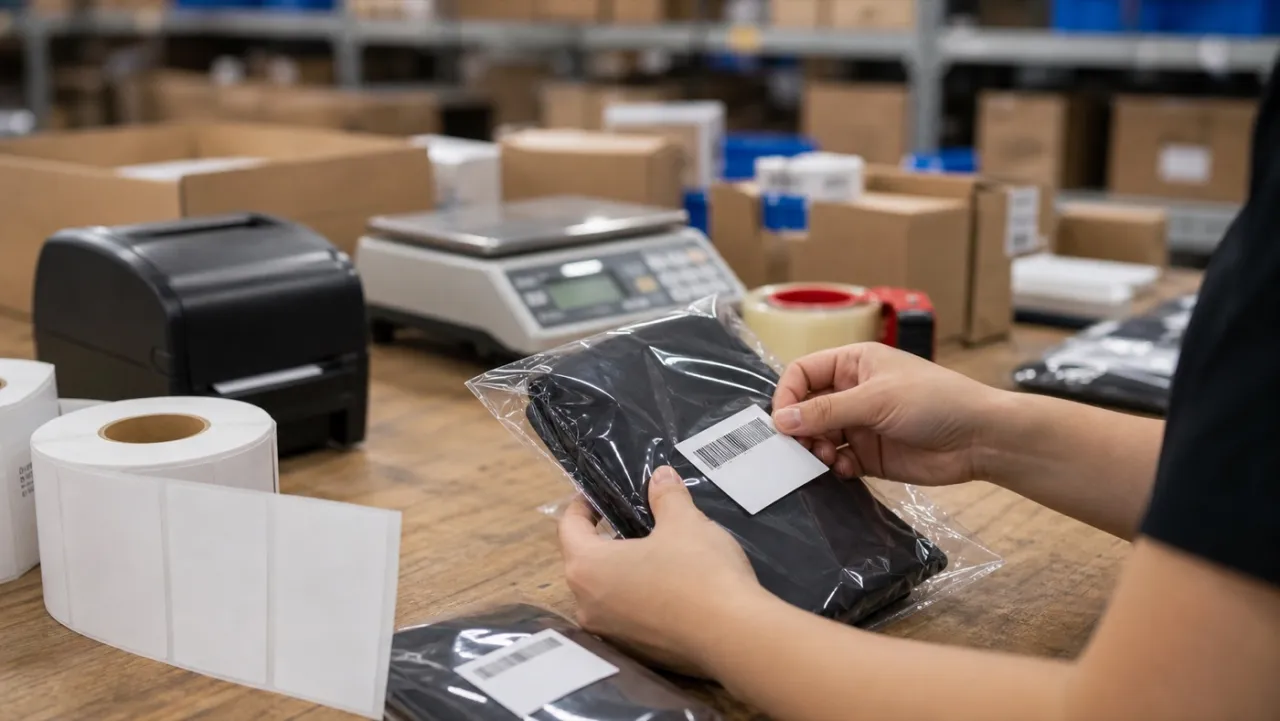
Finally, prep the goods for your channel, pick a route, and ship. Customs duty and clearance in your country are your responsibility.
Avoid these
Duty, VAT/GST, freight, and delivery times are estimates that depend on your HS code, country, and current rates. Always confirm against the official source for your destination.
Import FAQ
Not if you use an assisted order. With Supplymo you do not need a 1688 account, a Chinese phone number, or Alipay — the China-side ordering is handled for you after you approve a quote.
It depends on product cost, MOQ, China domestic shipping, prep, freight route, and destination duty/VAT. Estimate the full landed cost before you order rather than relying on the unit price alone.
1688 unit prices are often lower because it is a domestic wholesale platform, but MOQ, China shipping, fees, and international freight change the decision. Compare landed cost across options.
It varies with supplier response, sample rounds, prep, and shipping route. Treat any timeline as an estimate; the route and lead time are confirmed in your quote.
The importer — usually you — is responsible for destination duty, import tax, and clearance. Supplymo helps estimate landed cost and find your HS code but does not provide customs advice or guarantee outcomes.
Run a free product check, verify the supplier, estimate landed cost, screen for restrictions, and order a sample before a full order. Decide on evidence, before you pay.
Get a written decision on match, landed cost, and supplier risk. The first check is free.