
Air vs sea freight from China depends on carton data, urgency, and risk
Use this page before supplier payment to decide whether a 1688 or China order should be reviewed as express, air freight, sea/LCL, or a warehouse handoff route.
- Route guidance, not a fixed price
- CBM and chargeable weight first
- No carrier acceptance guarantee
Compare
Express, air freight, sea/LCL, consolidation, and 3PL or FBA handoff
Need first
Destination, deadline, carton dimensions, carton count, gross weight, product risk, and receiving rules
Boundary
Route guidance only; no fixed freight price, delivery time, customs clearance, or carrier acceptance guarantee
Check shipping route
Estimate CBM and chargeable weight
Enter valid carton data, then calculate to see the shipment decision.
Short answer
Air or express is usually reviewed for urgent, smaller, higher-value, or sample-first shipments. Sea or LCL is usually reviewed for larger, less urgent, bulky, or replenishment shipments.
What changes the result
CBM, actual weight, volumetric weight, deadline, product margin, sensitive-cargo risk, destination country, 3PL/FBA rules, and customs-document readiness all change the route decision.
Next step
Calculate CBM, collect carton data, note the deadline and product risk, then submit the product for a shipping readiness review before supplier payment.
Best fit
Best for sellers choosing a route before the first order
This page is a decision guide, not a freight-rate table. It helps you find missing fields and decide which route deserves a human quote.
Urgent samples
Small or time-sensitive checks may need express or air review.
Bulky cartons
Large light cartons can make volumetric weight the real cost driver.
Replenishment
Less urgent repeat inventory may justify sea/LCL review.
Sensitive cargo
Batteries, liquids, powders, magnets, cosmetics, and fragile goods need manual route review.
3PL or FBA handoff
Warehouse rules, labels, appointments, and carton data can change the route.
Low-confidence data
Supplier listing size is not enough for a final quote.
Workflow
Air vs sea route workflow
- 1
Collect
Shipping input setDestination, deadline, quantity, carton count, carton dimensions, gross weight, and product type
- 2
Calculate
Route pressure signalCBM, volumetric weight, actual weight, and chargeable-weight pressure
- 3
Screen risk
Manual review triggersSensitive cargo, oversized goods, fragile goods, platform or warehouse receiving rules
- 4
Compare route
Route directionExpress, air, sea/LCL, consolidation, and 3PL/FBA handoff assumptions
- 5
Quote review
Private quote pathSeparate product, domestic freight, prep, service, outbound route, and official-review assumptions
- 6
Recheck after receiving
Final shipping inputWarehouse measurement, photos, packed cartons, and route availability
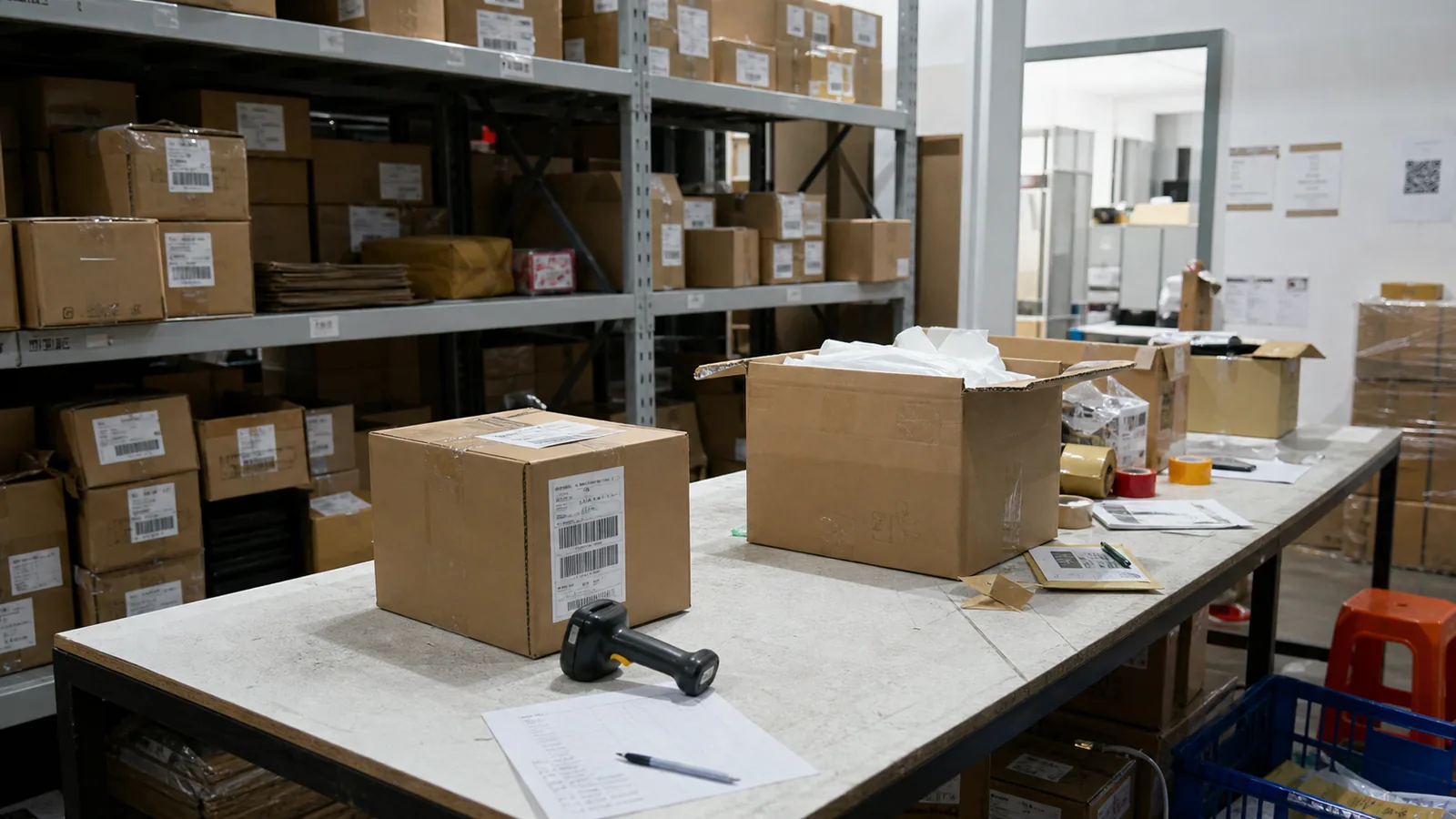
Receive before final route
A supplier estimate can start planning, but the final route should use received and packed measurements.
Keep visible
Route risks to keep visible
Volumetric weight
Air and express can bill bulky light goods by size instead of actual weight
Use CBM and chargeable-weight review
Sea timing
Sea/LCL can reduce freight pressure but adds lead-time, documentation, and destination handling questions
Use deadline and inventory context
Sensitive goods
Battery, liquid, powder, magnet, cosmetic, fragile, oversized, or high-value goods may block common routes
Manual review before quote
3PL receiving
Warehouses may require labels, ASN/WRO, appointments, pallet rules, or carton limits
Collect receiving rules first
DDP promise risk
All-inclusive shipping terms can hide importer, duty, tax, and entry-proof questions
Use customs/broker review when needed
Quote change
Supplier data, repack, consolidation, fuel, capacity, and final measurement can change the quote
Revise after receiving
FAQ
Air vs sea freight questions
Should I choose air or sea freight from China?
Start with package data and urgency. Air or express is often reviewed for urgent, smaller, higher-value, or sample-first shipments. Sea or LCL is often reviewed for larger, less urgent, bulky, or replenishment shipments.
Is express the same as air freight?
No. Express courier, air freight, sea/LCL, and warehouse handoff can have different billing, pickup, delivery, customs, and receiving assumptions. Treat them as separate route scenarios.
When does sea freight make sense?
Sea or LCL deserves review when the shipment is larger, less urgent, bulky, or planned as inventory replenishment. It still needs carton data, product-risk review, and destination handling assumptions.
How does CBM affect air vs sea decisions?
CBM shows shipment volume. Large light goods can become expensive by air or express because volumetric weight can exceed actual weight. CBM is also important for sea/LCL planning and warehouse handoff.
Can Supplymo quote the exact freight price from this page?
No. This page prepares route readiness. Exact freight depends on packed dimensions, gross weight, route, product risk, carrier availability, destination rules, and quote timing.
Is DDP safer because duties are included?
Not automatically. DDP-style promises still need importer, customs entry, duty/tax proof, broker, product, and country-specific review. Supplymo does not treat all-inclusive freight as a compliance guarantee.
What if my supplier does not know carton data?
Treat the quote as low confidence. Ask for carton dimensions, carton count, and gross weight before payment, or plan to remeasure after China receiving.
Can this help with FBA, TikTok, or 3PL shipping?
Yes, as a readiness check. You still need labels, SKU mapping, carton rules, receiving rules, platform boundaries, and manual route review before handoff.
What should I submit for route review?
Submit product link, quantity, destination country or warehouse type, deadline, carton dimensions, carton count, gross weight, product-risk flags, prep needs, and any 3PL/FBA/TikTok receiving rules.
Want a route review before booking air or sea?
Estimate CBM above, then submit the product for a shipping-readiness review before any supplier is paid.