Supplymo checks the order, then asks the supplier for the missing proof
You do not need to run supplier back-and-forth yourself. Send the 1688 or China supplier link, target quantity, destination, and target terms. Supplymo checks the product and risk signals first, then asks the supplier about MOQ, price tiers, samples, payment terms, packaging, lead time, and missing proof before you approve payment.
We negotiate after checking evidence
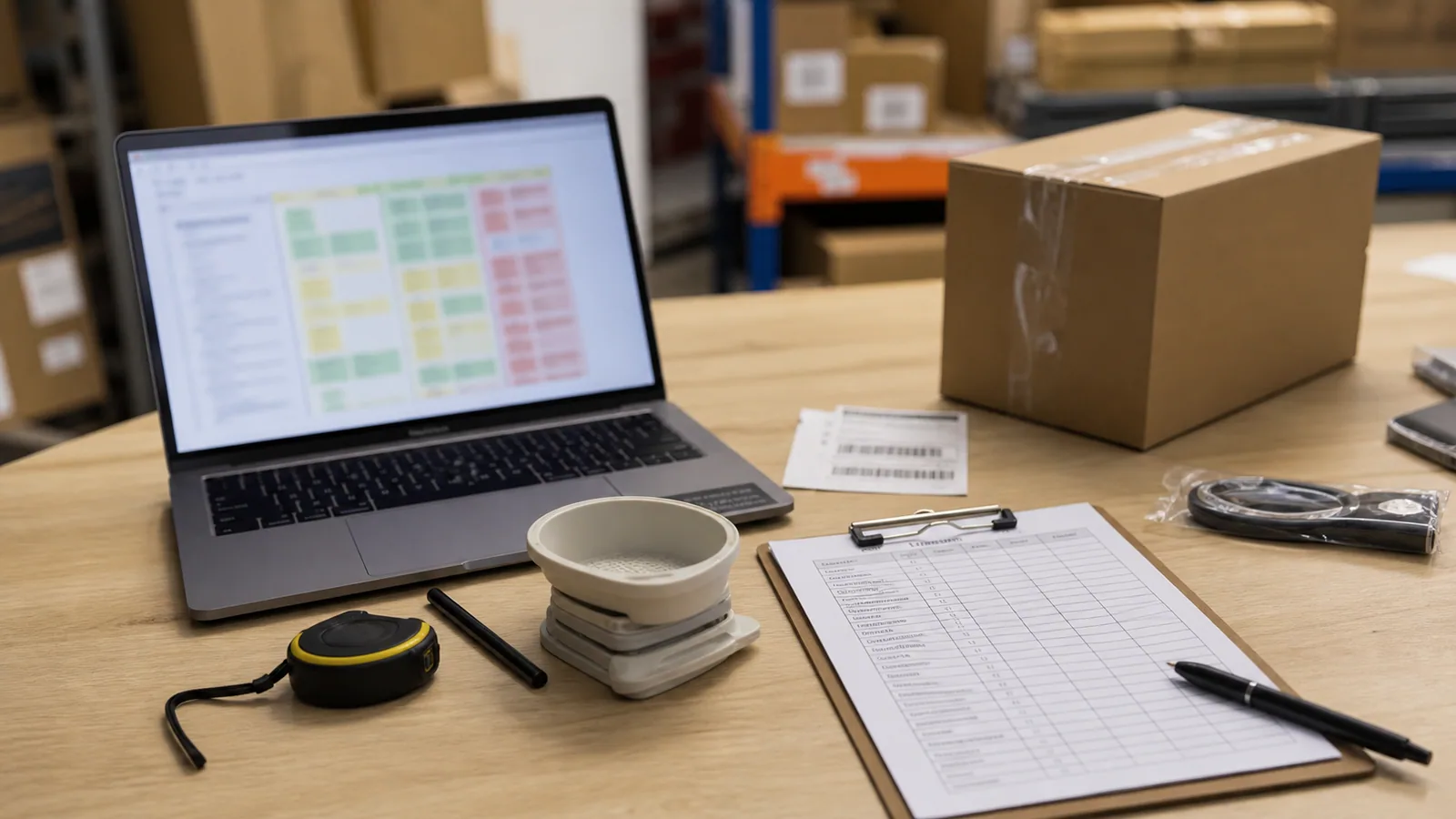
Supplier messages are more useful after MOQ, product match, package data, route assumptions, and supplier proof are visible.
Use when
You want Supplymo to talk to a 1688 or China supplier before you pay, based on an actual Product Check
Output
Supplier questions, price-tier or MOQ confirmation, sample-first path, missing proof request, or stop signal
Boundary
Supplymo helps negotiate and confirm terms, but does not guarantee discounts, supplier acceptance, product quality, customs outcome, or final landed cost
Decision tool
Submit for Product Check
Use the fields below to expose missing data, risk tags, next questions, and the manual review boundary before supplier payment.
Quick answer
What should you confirm with the supplier before paying?
Before supplier payment
A sourcing page should end in a decision, not a vague promise
Every Supplymo page should help you decide whether to continue, sample first, request information, request a quote, manually review, or stop before paying a supplier.
Before supplier payment system
Product check first. Supplier payment only after the decision is clear.
Supplymo is not an open-ended sourcing promise. It is a pre-payment decision workflow: collect the product clue, expose missing fields and risk, then decide whether to stop, sample, quote, or move into assisted ordering.
Submit one product clue
Send a 1688, Shopify, AliExpress, CJ, Amazon, TikTok Shop link, image clue, keyword, quantity, destination, or prep note.
Get a written pre-payment check
Supplymo separates match quality, MOQ pressure, landed cost assumptions, prep needs, supplier signals, missing fields, and risk flags.
Choose the next action
The output says continue, sample first, request info, request quote, manual review, change route, or stop before supplier payment.
Trust boundary
No supplier payment is created by submitting a product clue.
No lowest-price, supplier-quality, customs, tax, freight, delivery-time, or platform-approval guarantee.
Manual review is required when product, supplier, customs, prep, route, or restricted-goods signals are unclear.
Output
Written decision record, not a fake final quote.
Handoff
Human review when facts are missing or risk is high.
Best fit
Best for buyers who want Supplymo to handle supplier back-and-forth
The goal is not to win every discount. The goal is to protect the first order decision by confirming the product, terms, cost drivers, and stop signals before money leaves your side.
MOQ and SKU split
We ask whether MOQ applies to the whole order, each color, size, model, or package option.
Target price range
We frame the counter-offer around landed-cost pressure and margin, not a random discount request.
Source match
We check whether the supplier is quoting the same product, material, SKU, packaging, and image evidence.
Payment terms
We help clarify deposit, balance, sample, quote approval, and evidence timing before payment.
Package data
We request carton size, weight, units per carton, and packaging assumptions before freight surprises.
Stop signals
We flag cases where the supplier avoids proof, changes materials, pushes payment, or creates category risk.
Workflow
How Supplymo handles supplier negotiation before payment
We compare terms with risk
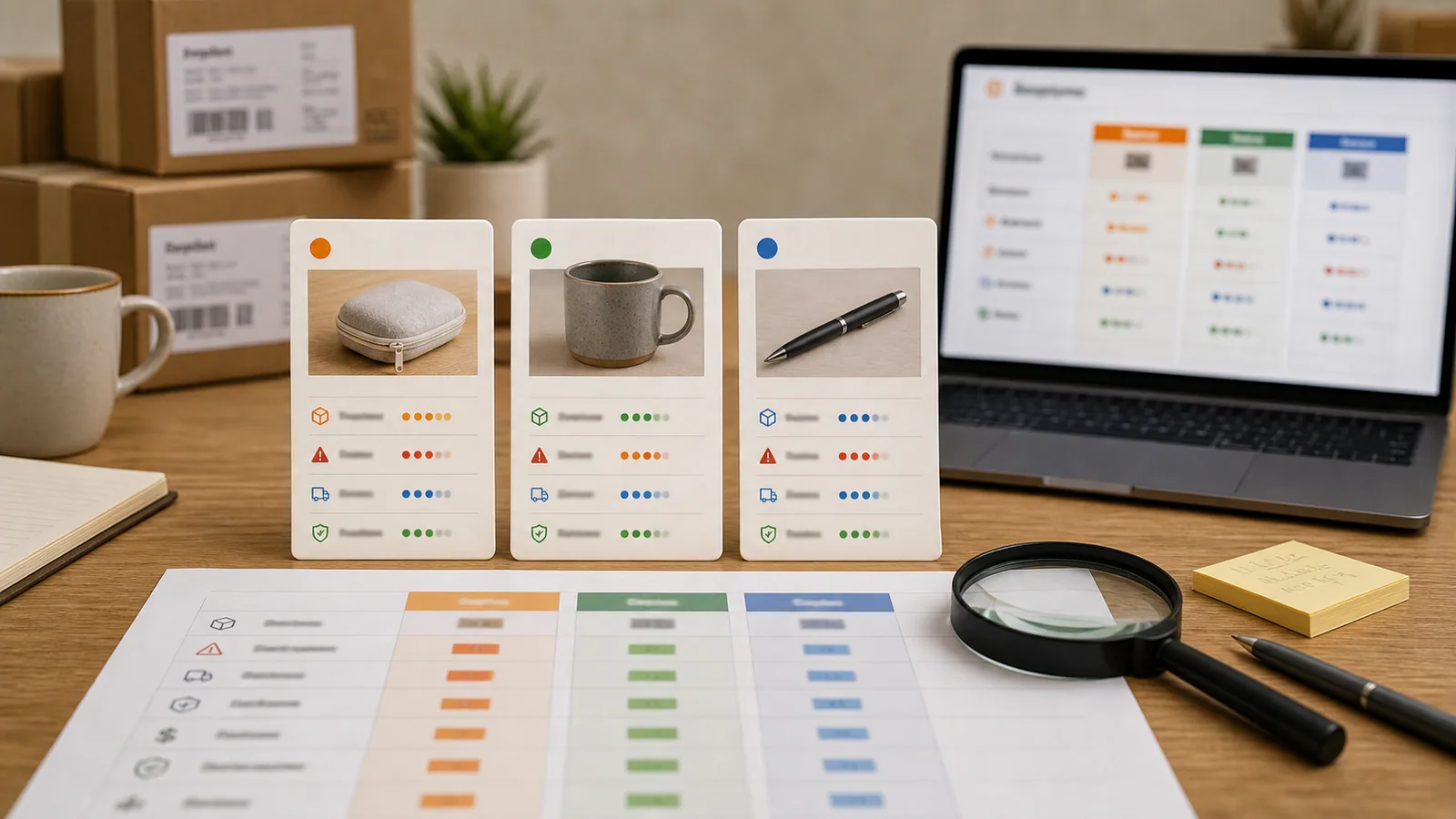
A supplier with the lowest unit price can still be the wrong choice if MOQ, freight, prep, payment terms, or risk changes the first order.
Risk boundaries
What Supplymo will not promise during negotiation
Service boundary
Use this page as a pre-payment decision aid
Supplymo does not guarantee the final order outcome.
This page helps expose missing fields, cost pressure, supplier risk, prep work, and route questions before supplier payment. It does not guarantee supplier quality, platform approval, customs clearance, final tax, final freight, delivery time, or sales performance.
Questions
Common decisions before requesting a quote
Can Supplymo negotiate with a 1688 supplier for me?
Yes, for suitable pre-payment cases Supplymo can help contact the supplier, ask about price tiers, MOQ, samples, packaging, lead time, payment terms, and missing proof before you approve payment.
Do I need to negotiate with the supplier myself?
No. You can send Supplymo the supplier or product link, target quantity, destination, target price, and terms you want. We prepare the questions and assist with supplier communication before payment.
Does Supplymo guarantee a lower price?
No. Supplymo can negotiate and clarify terms, but we cannot guarantee a supplier will accept a lower price, lower MOQ, better payment terms, or sample-first arrangement.
What should I submit before Supplymo talks to the supplier?
Submit the product or supplier link, target quantity, destination, sales channel, target price, MOQ concern, desired payment terms, package data if available, and any supplier reply you already received.
What terms can Supplymo ask about?
We can ask about MOQ by SKU, price tiers, sample availability, material or packaging changes, domestic freight, carton size and weight, lead time, documents, deposit, balance, and quote validity.
Will Supplymo continue if the supplier looks risky?
Not automatically. If the supplier avoids proof, changes materials, pushes full prepayment, refuses package data, or the product is restricted or document-heavy, we may recommend sample first, manual review, or stop.
How is this different from a generic negotiation script?
A script tells you what to say. Supplymo first checks the product, supplier, MOQ, package data, cost pressure, and risk boundary, then helps ask the supplier questions tied to your actual order.
How does this connect to Product Check?
Product Check gives the risk and missing-field view. Assisted negotiation uses that view to decide what Supplymo should ask the supplier before you approve a quote or payment.
When should I still sample first instead of negotiating price?
Sample first when product match, material, size, color, packaging, compliance, or quality evidence is uncertain. A cheaper quote is not useful if the product is not confirmed.
Related pages
Use the page that matches your next decision
The first check is free — a full written report is $29. See a sample report
Want the order checked before you message the supplier?
Send the link, quantity, destination, SKU/options, carton data, and prep needs. Supplymo turns the tool result into a practical route decision before assisted ordering.